
If a Render app takes a while to open after sitting idle, the free web service may be waking up. Before changing hosts, decide who will use the app, when they will open it, and how long they can wait.
In this article
How sleep works on Render's free plan
A free web service spins down after 15 minutes without inbound HTTP requests or messages on existing WebSocket connections. The next request brings it back up, which Render estimates takes about a minute. This policy applies to free web services. Static sites use a different delivery model. Render's free web service documentation
If the first request after a quiet period is slow and the next one is fast, check startup times and logs. If every request is slow, investigate database queries, external APIs, CPU, and memory. The one-minute figure is Render's estimate. Measure your own URL to see what users experience.
When does the wait matter?
| Use case | What to check | What to consider |
|---|---|---|
| Learning or prototypes | Can you wait for startup? | Keep the free plan if the delay is acceptable |
| Interview or sales demos | When will the audience first open the app? | Check whether opening it beforehand is enough |
| Incoming webhooks | What are the sender's timeout and retry rules? | Meet the response deadline and handle duplicate events safely |
| Small business app | How much waiting can users tolerate? | Compare paid setups by response needs and recurring costs |
| Portfolio or information site | Does anything need to run on the server? | Consider static hosting if the site can be prebuilt |
Webhook retry rules depend on the sender. Design the receiver to handle duplicate events even when the app stays running.
Upgrade, change the architecture, or move
Upgrade the Render web service
A paid compute plan removes the limits specific to free instances and lets you keep your existing build and logging workflow. Check the compute plan for the individual service. Workspace plans are managed separately. Review database pricing and retention separately as well. Render's guide to paid instances
Use a static site when a server is unnecessary
Portfolios, information pages, and lists generated at build time may only need static hosting. Decide whether rebuilding when content changes fits your workflow. For features that require authentication or storage, use an appropriate backend. Keep database credentials and private API keys out of browser code. Render's static site guide
Move to a PaaS that keeps running apps active
KamuiDash runs in Tokyo and keeps active apps running through idle periods. It is an option for GitHub-connected HTTP apps and small deployments that use managed PostgreSQL. Verify support for your language, workers, scheduled tasks, persistent storage, and add-ons before moving. Maintenance and incidents can cause restarts, a single replica can briefly go offline, and the personal plan has no SLA. KamuiDash specifications and pricing
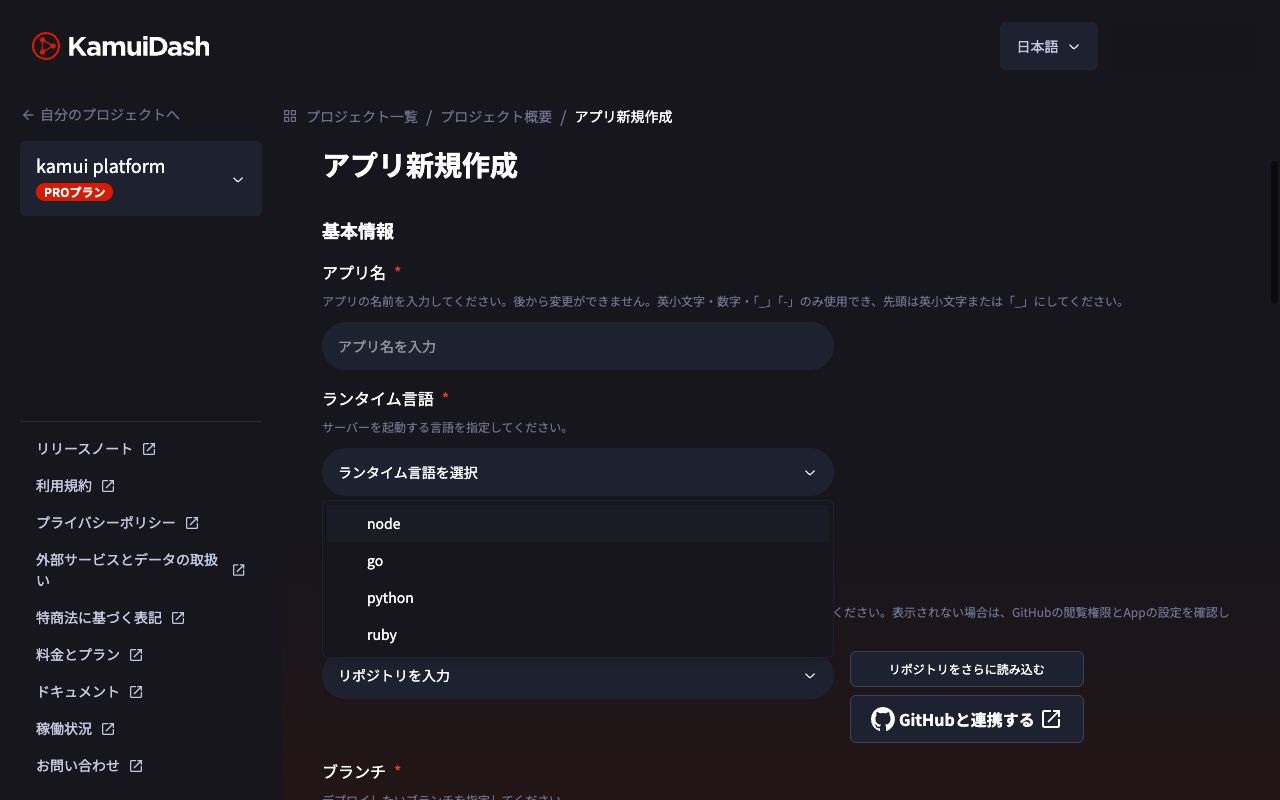
Check storage and recurring costs before moving
Changes to the local filesystem on free Render web services are lost on redeploy, restart, or spin-down. Move SQLite data or uploaded files to appropriate persistent storage. Free Render Postgres expires 30 days after creation, so check the database deadline independently of app sleep. Render's filesystem limits · Free Render Postgres
On KamuiDash's personal plan, one Nano app replica costs $3 before tax per 30 days and a Nano database costs $6, for a $9 base cost together. Requests, outbound transfer, deployment time, and database processing can add charges beyond included allowances. Extra replicas also increase the app base cost. KamuiDash pricing
Test on a separate URL before switching traffic
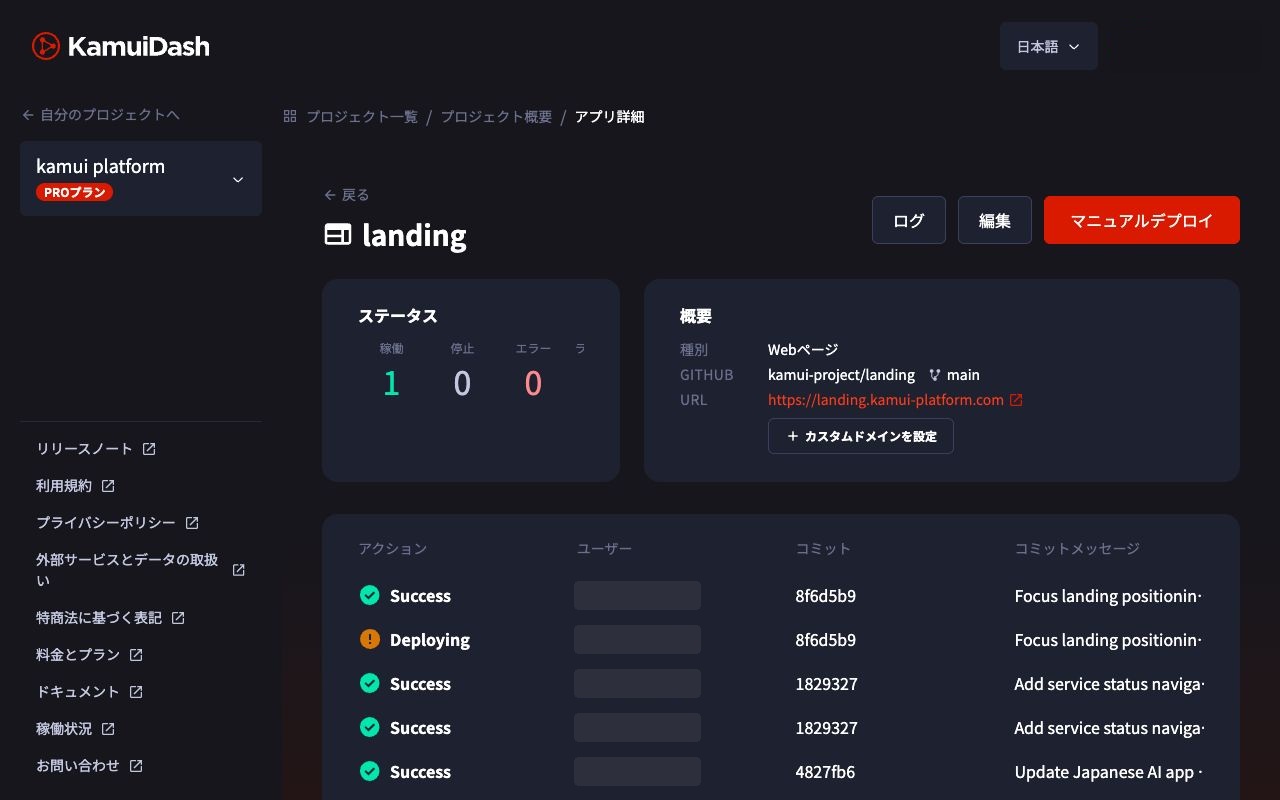
Keep the existing service running while you check startup, database connections, test writes, external integrations, and reads after an update at the new URL. Then plan the webhook and custom domain switch. If the database accepts writes, plan how to pause writes and roll back safely.
Frequently asked questions
Can I keep using the free plan by sending periodic requests?
Traffic affects when the service spins down. The plan still has usage limits, database expiration, and filesystem restrictions. Choose a setup based on how long users can wait and how the app needs to run.
What if I want to stay on Render?
Check which compute and database plans meet your needs. Include the time a migration would take when comparing costs.
Render specifications were checked on November 2, 2026. The article uses official documentation and does not report cross-platform response-time measurements. Render's free plan documentation
Related guides
KamuiDash is a Tokyo-region PaaS for publishing web applications through GitHub and AI integrations.